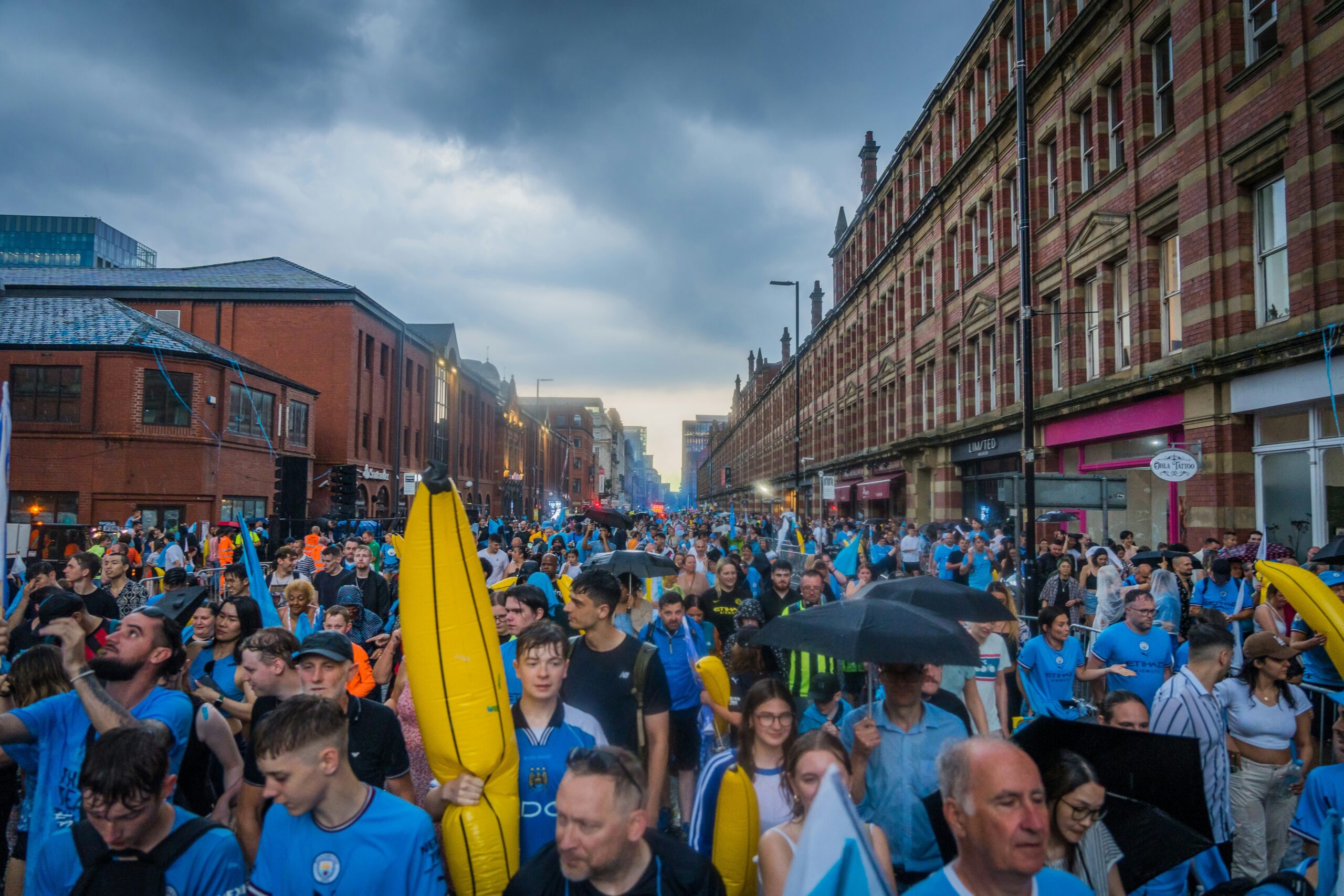
Matchday used to end with the final whistle and a quick argument on the drive home. Now the phone keeps buzzing long after full time, pulling football fans through clips, odds, group chats, and live reactions well into Sunday morning.
It’s been a long time since football was only ninety minutes. Team news lands before breakfast, halftime arguments spill across WhatsApp groups, and by Sunday morning the whole match has turned into clips, memes, odds, and transfer gossip living on people’s phones. The final whistle still exists but the conversation around it never ends.
Football Matches No Longer End at Full Time
Premier League football now follows people everywhere. A match starts on television, then carries on through social feeds, podcasts, clips, fantasy leagues, and betting apps sitting open beside the stream. The phone became part of the matchday routine years ago, especially for younger fans who bounce between live scores and reaction videos without thinking twice about it.
That same habit explains the growth of football betting platforms built around constant mobile engagement. Football fans moving between live odds, in-play markets, and casino games during big matches now treat Betway as part of the broader football experience rather than a separate gambling destination. The platform leans heavily into Premier League culture through its Manchester City partnership, while live betting and games like Aviator keep the app active long after kickoff. Mobile access also changed expectations around speed. Fans now expect instant deposits, live updates, rapid cash-outs, and football-focused promotions sitting inside the same app experience.
Live Betting Changed the Rhythm of Watching Sports
Watching football used to involve long stretches of waiting around. Modern sports apps removed most of that dead space. Odds update during attacks, cash-out values bounce around after every goal, and fans react to matches in real time instead of waiting for post-match analysis hours later.
That constant interaction changed viewing habits across football culture. UEFA reported that the 2024 Champions League final between Real Madrid and Borussia Dortmund reached a global live audience of 145 million viewers, and a large chunk of that audience watched with a second screen nearby. Phones stay open during matches because supporters follow statistics, injury updates, substitutions, and live reactions while the game unfolds.
The same behaviour appears across social media. Goal clips hit TikTok and X within minutes, then conversations spill into group chats before the match even finishes. Football became a rolling live event living across several screens at once.
Crash Games and Fast Mobile Entertainment Are Crossing Over
Football betting apps no longer focus only on traditional wagers. Short-session games built for mobile users now sit beside live sports markets because audiences already move between different kinds of digital entertainment during a matchday session.
Aviator became one of the clearest examples of that crossover. The game runs in quick rounds lasting seconds rather than minutes, which fits neatly beside modern scrolling habits. Fans already jump between football clips, score alerts, transfer rumours, and social feeds all evening; fast casino games slide naturally into that same rhythm.
That style of entertainment grew especially quickly across African betting markets because mobile use dominates the experience. DataReportal estimated Nigeria had 107 million internet users at the beginning of 2026, with mobile connections sitting above 205 million subscriptions. Cheap smartphones and fast mobile access changed the entire entertainment landscape around football, gaming, and social media consumption.
Mobile Gambling Became a Mainstream Digital Habit
The gambling industry itself now reflects those broader mobile habits. Operators are putting serious money into mobile-first products because that is where audiences spend their time. Desktop betting still exists, although the centre of gravity clearly moved toward phones.
The UK Gambling Commission reported that online Gross Gambling Yield reached £1.45 billion during Q1 2026, while total bets and spins climbed to 25.2 billion during the same reporting period. Those figures point toward one clear trend: people engage with gambling platforms more frequently because access now sits permanently inside the phone.
Football remains the biggest driver behind a lot of that activity. Matchdays generate conversation before kickoff, during the game, and deep into the night afterwards. Betting apps simply plugged themselves into behaviour that already existed around football culture. The apps became another screen in the wider entertainment cycle surrounding modern sport.
Football Culture Lives on the Phone Now
Football still belongs to stadiums, pubs, and crowded living rooms. None of that disappeared. The difference is that the match now follows people home afterwards through clips, live chats, transfer rumours, and mobile apps that stay open deep into the evening.
That change explains why football culture feels bigger than the match itself these days. The sport moved into group chats, social feeds, streaming platforms, and live mobile interaction without asking permission from anybody. Ninety minutes still decide the scoreline, though the conversation around football now lasts the entire weekend.